What this helps you do

Pick the right hand-off for a guest conversation so the work lands with the right person, with the context they need, instead of dying in the gap between owners.

The three moves

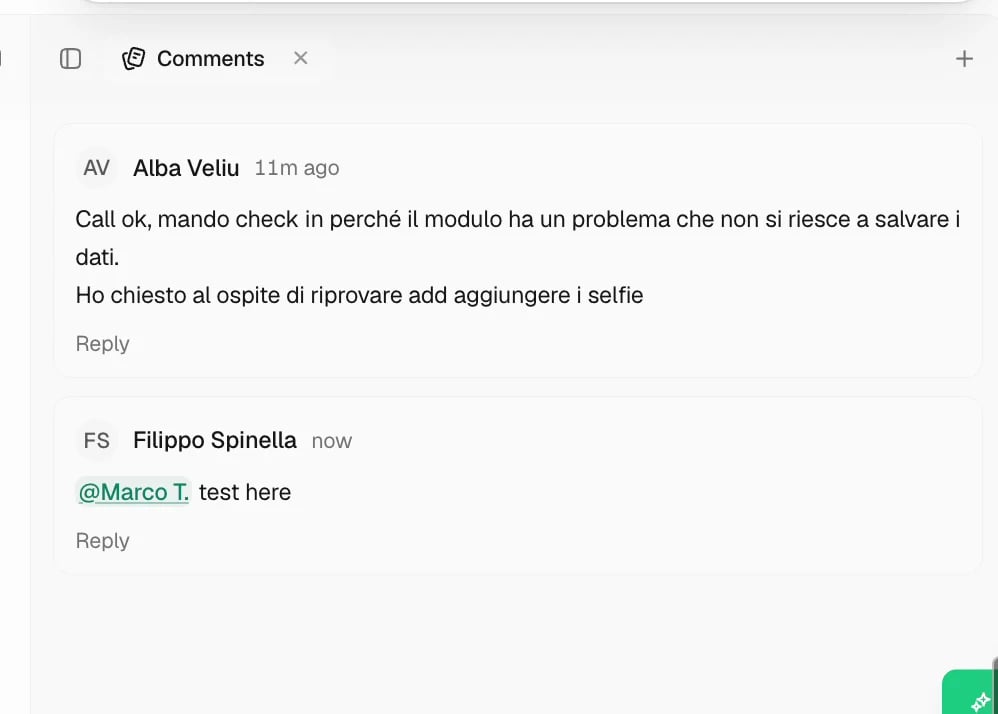
Assign a conversation

Assigning changes who owns the thread. The receiver sees everything you see — the history, the reservation, the property — so an assignment needs no separate summary. What it does need is a reason: a one-line note in the thread telling the new owner what is outstanding turns a transfer into a hand-off.

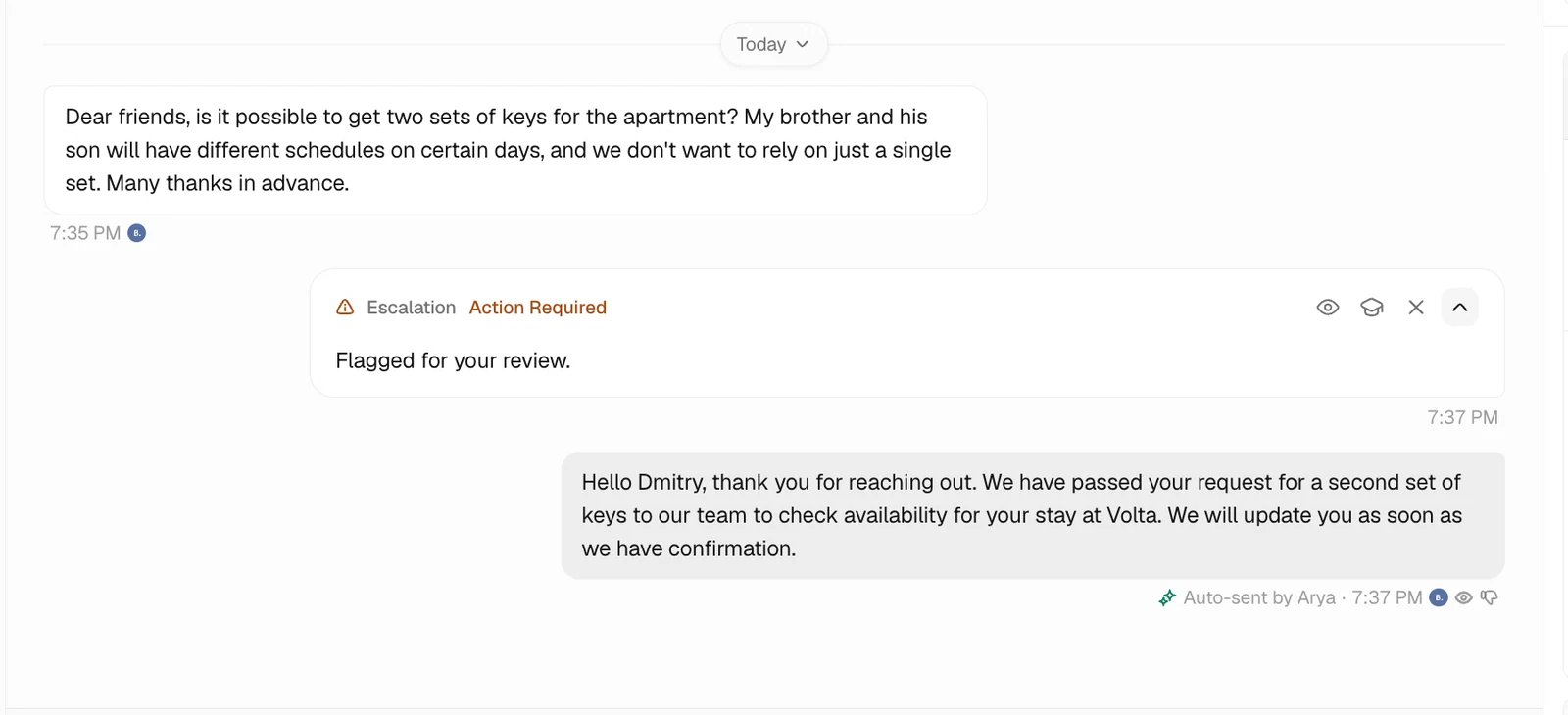
Escalate a conversation

Escalate raises the thread to the people configured as escalation Recipients. Trellis agents also escalate on their own when a conversation needs human attention — the thread shows an Escalation with the agent’s reasoning, and the suggested response waits for your review. Escalating does not move ownership. The owner still owns the outcome; the escalation adds eyes and authority.

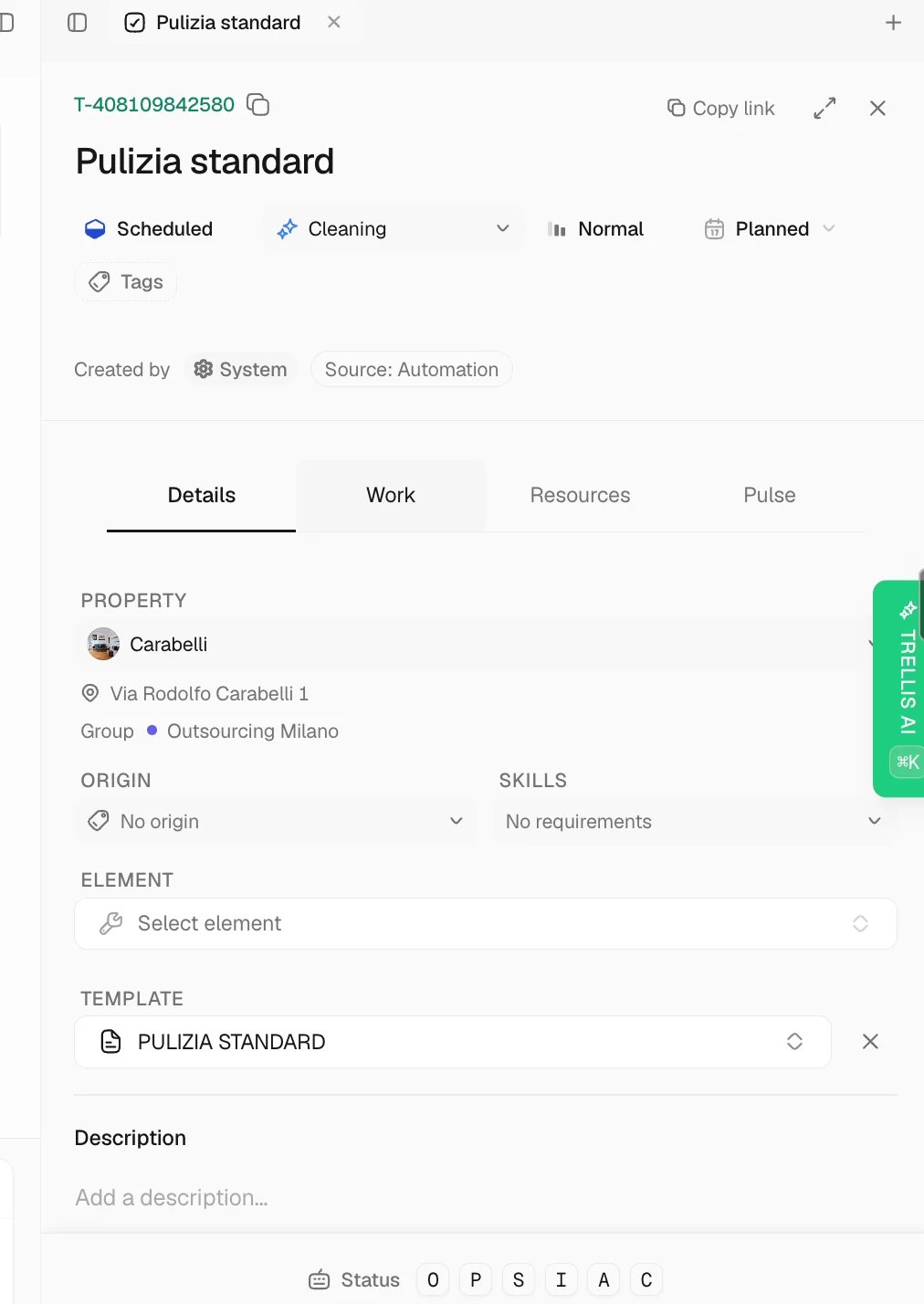
Turn it into a task

When the request needs work at the property, use Create task from the conversation. The task carries the link back to the conversation, property, and reservation, so the worker sees why the work exists and the conversation owner can watch its progress. For what makes the task itself succeed, see Create a task that comes back done right.

The follow-up habit

Whoever owns the conversation owns checking that the work happened. An assignment, escalation, or task is a delegation, not an ending — the conversation resolves when the guest’s need is met and the record shows it.